Skrypt Health is not a software company that noticed healthcare had a gap. It was built by someone who grew up inside clinical environments, studied both medicine and computer science, and spent years validating the problem firsthand — walking into dental, veterinary, medical, and pharmacy practices before writing a line of production code.
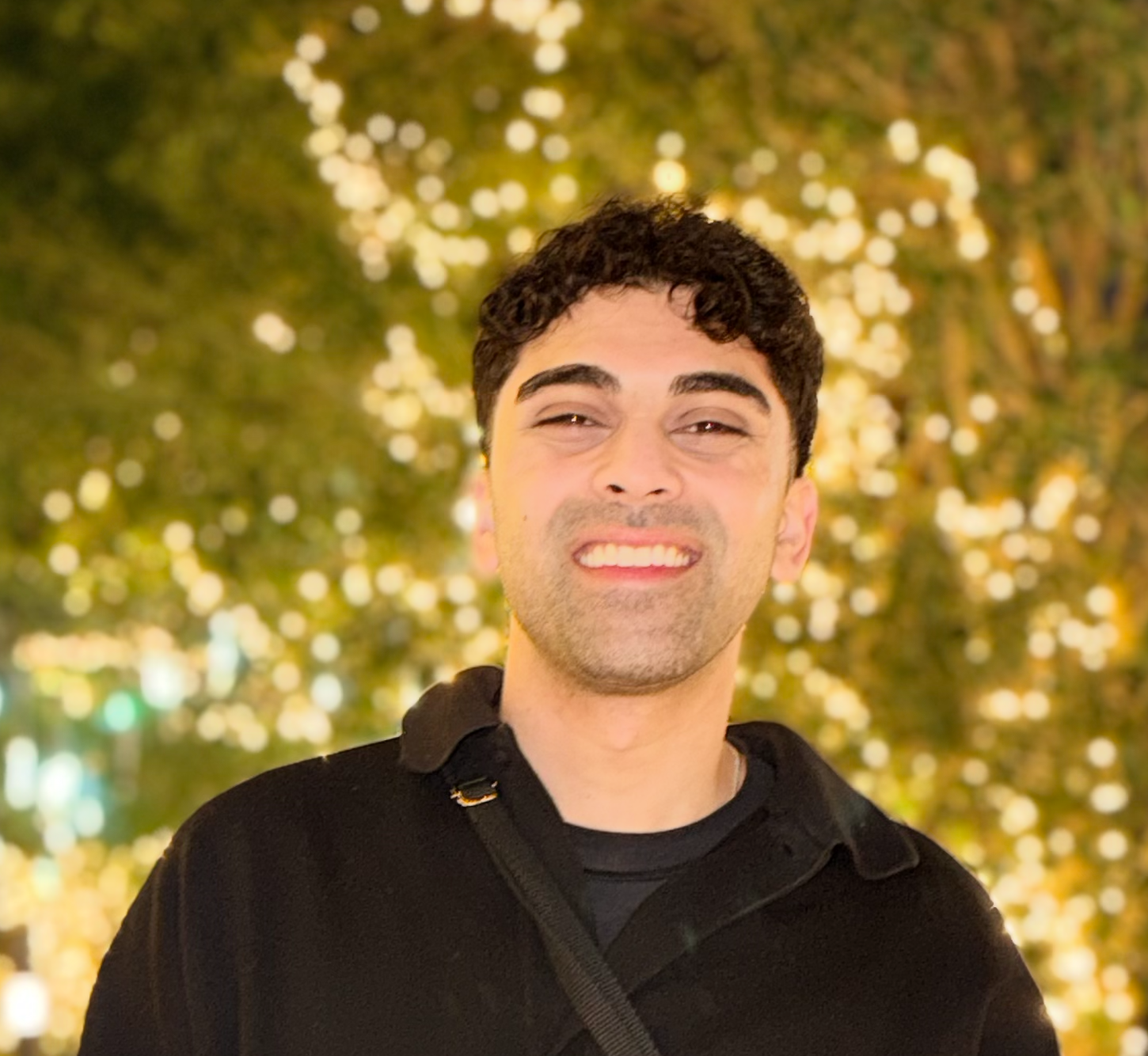
Hasan started working in clinical environments as a teenager, which gave him an early and direct view of the operational gap between what clinical software promised and what actually happened at the front desk. In high school he published research in digital imaging in hospital settings — an early signal of where his work was heading.
At Western University he studied Medical Sciences and Computer Science simultaneously, and during that time published machine learning research applied to clinical contexts. He went on to spend nearly half a decade at Procter & Gamble working in operations and data science, developing the analytical and systems-design skills that now underpin Skrypt's architecture.
Skrypt started with a deliberate, unglamorous process: walking into dental, veterinary, and medical clinics across downtown Toronto to interview front desk staff and practice owners about what actually broke down during the call queue. The MVP was built from those conversations. What you see today is the result of that ground-level research compounding over time through real customer deployments.
Before Skrypt was a company, its core problem was a research question. Hasan's peer-reviewed work includes a sentiment-analysis study in JMIR Medical Education — building and validating an algorithm that reads emotion in health professionals' own language — alongside earlier published work in digital imaging in hospital settings.
Skrypt's triage engine is the commercial evolution of that research. Every call Sala takes and every email Mati reads is scored the way that work scored language: what does this person need, how urgent is it, and what should happen next. The difference is that the system now acts on the answer — booking the appointment, routing the task, flagging the deadline — inside the practice's own PMS.
Sukhera J, Ahmed H. Leveraging Machine Learning to Understand How Emotions Influence Equity Related Education: Quasi-Experimental Study. JMIR Medical Education. 2022;8(1):e33934. doi:10.2196/33934
Research inquiries: hello@skrypthealth.ai
A small team building AI for the front of every clinic.
Toronto · Houston · Est. 2018.

Most AI tools for healthcare are general-purpose software with a HIPAA checkbox added later. The integration layer is typically a bolt-on. The compliance posture is an afterthought. The call workflow logic was designed for call centers, not clinical front desks.
Skrypt was built the other way around. The compliance framework came first. The PMS integrations — Open Dental, ABELDent, Dentrix, Eaglesoft, AVImark, Cornerstone, IDEXX — were built before the marketing page. The call workflow logic was designed around the specific patterns of dental, veterinary, and medical inbound calls, not generic customer service queues.
That specificity is the product. A dental practice owner should not have to explain to their software what a recall appointment is. A pharmacy should not have to explain what a prescription refill queue looks like.
The result is more than a receptionist. Skrypt is the AI front office for clinics — and underneath it, an intelligence layer across the practice's phones, inbox, and practice management system, so every call, email, and booking feeds one operational picture.
Skrypt Health is a member of the NVIDIA Inception program, NVIDIA's program for cutting-edge AI startups.
© 2026 NVIDIA, the NVIDIA logo, and NVIDIA Inception are trademarks and/or registered trademarks of NVIDIA Corporation in the U.S. and other countries.
Want to see the product or talk about a deployment?
Private walkthrough →